Overseas Warehouse and Logistics Provider PBD Outbound
I. Definition
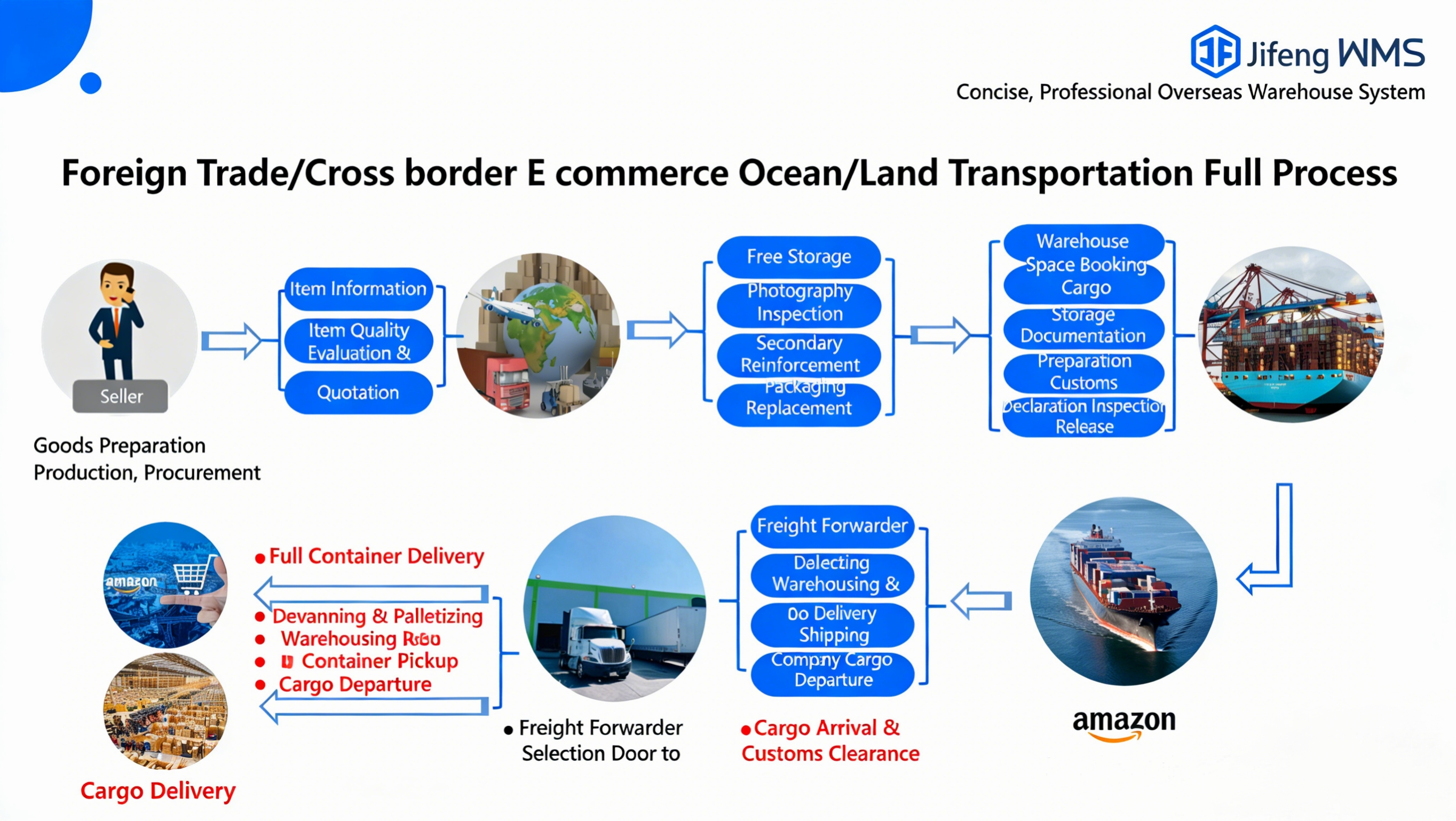
Pick, Break-bulk, and Delivery (PBD) Service involves clients consolidating multiple shipments (e.g., via container or pallet) for transport to an overseas warehouse. Upon arrival, the warehouse picks up the goods and, based on consignee requirements or logistics arrangements, unpacks and splits the consolidated shipment into individual or multiple smaller batches for separate delivery.
Use Cases:
For Logistics Companies / Overseas Warehouses: (1) Utilize the Jifeng WMS system to meet diverse consignee needs, enhance warehouse and logistics efficiency, and ensure accurate, timely delivery to order destinations. (2) Manage billing and financial cost accounting for PBD services. (3) Oversee domestic agents (or sub-warehouses) and the PBD service orders they push to the overseas warehouse.
For Cross-border E-commerce Sellers: (Such as FBA sellers, Mercado Libre FULL warehouse sellers, or B2B bulk transshipment and wholesale sellers) After goods arrive in the destination country and are collected by the overseas warehouse or logistics provider: (1) Some shipments require direct deconsolidation and delivery to platform warehouses. (2) Some shipments need deconsolidation, palletization by destination, and delivery to final destinations. (3) Independently manage PBD service documents, track warehouse PBD inbound/outbound status, and logistics information.
This guide explains the outbound process for PBD services in overseas warehouses.
II. Operational Path
Step 1: Outbound Dispatch Management - Create Outbound Order
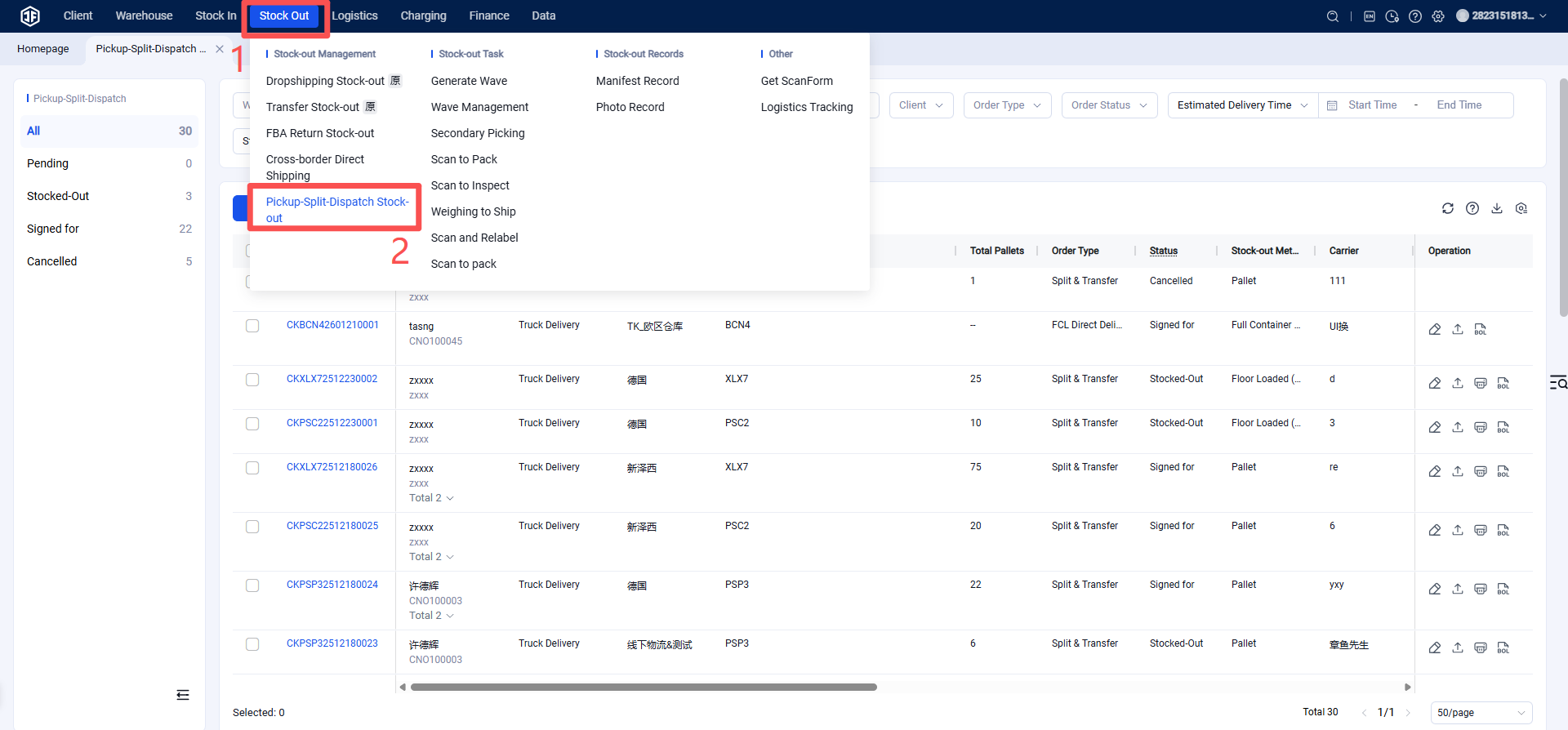
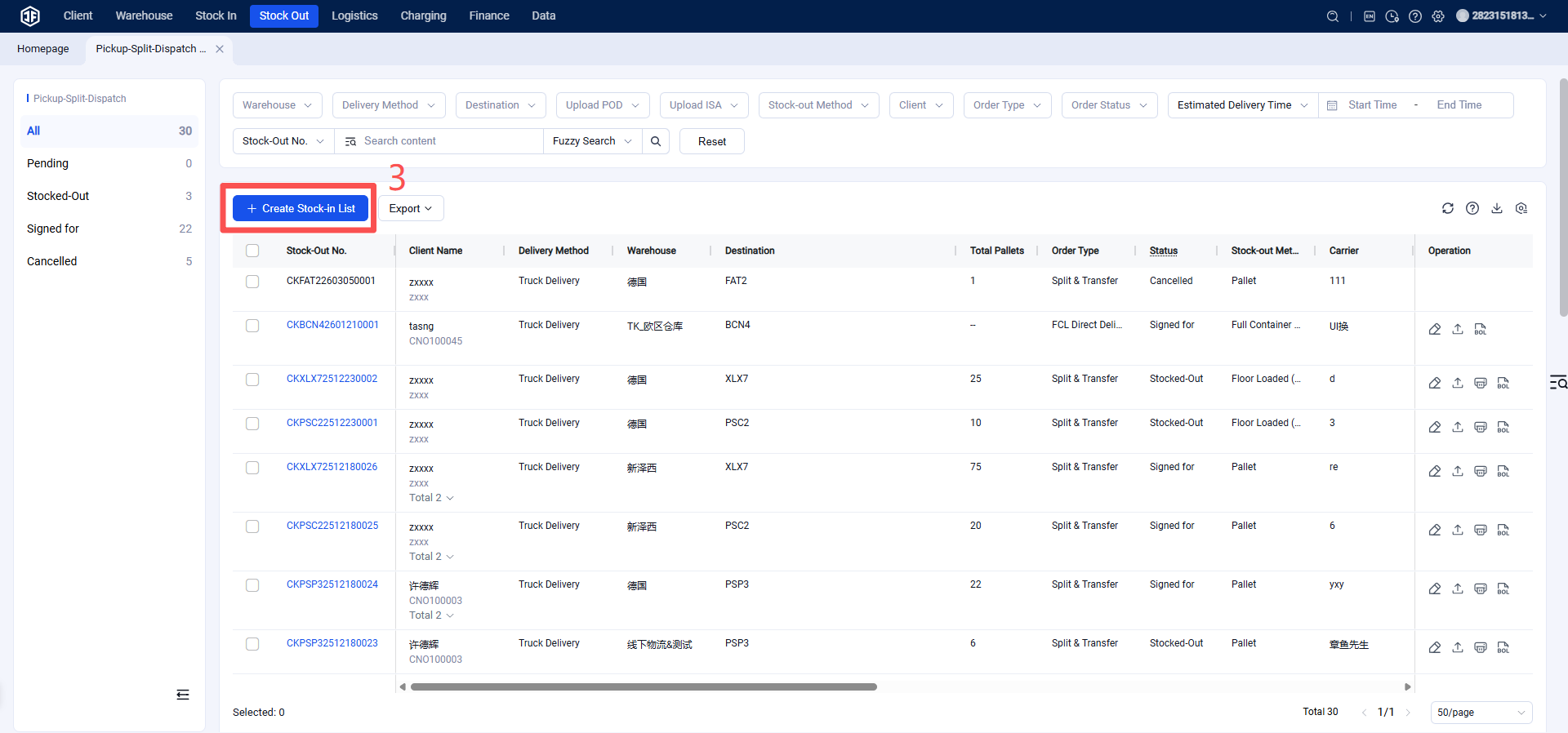
Based on the seller's PBD inbound order requirements, choose between Full Container Outbound or Break-bulk Outbound.
If selecting Full Container Outbound, choose the container number, click Save. After the container is picked up, it can be dispatched directly for delivery.
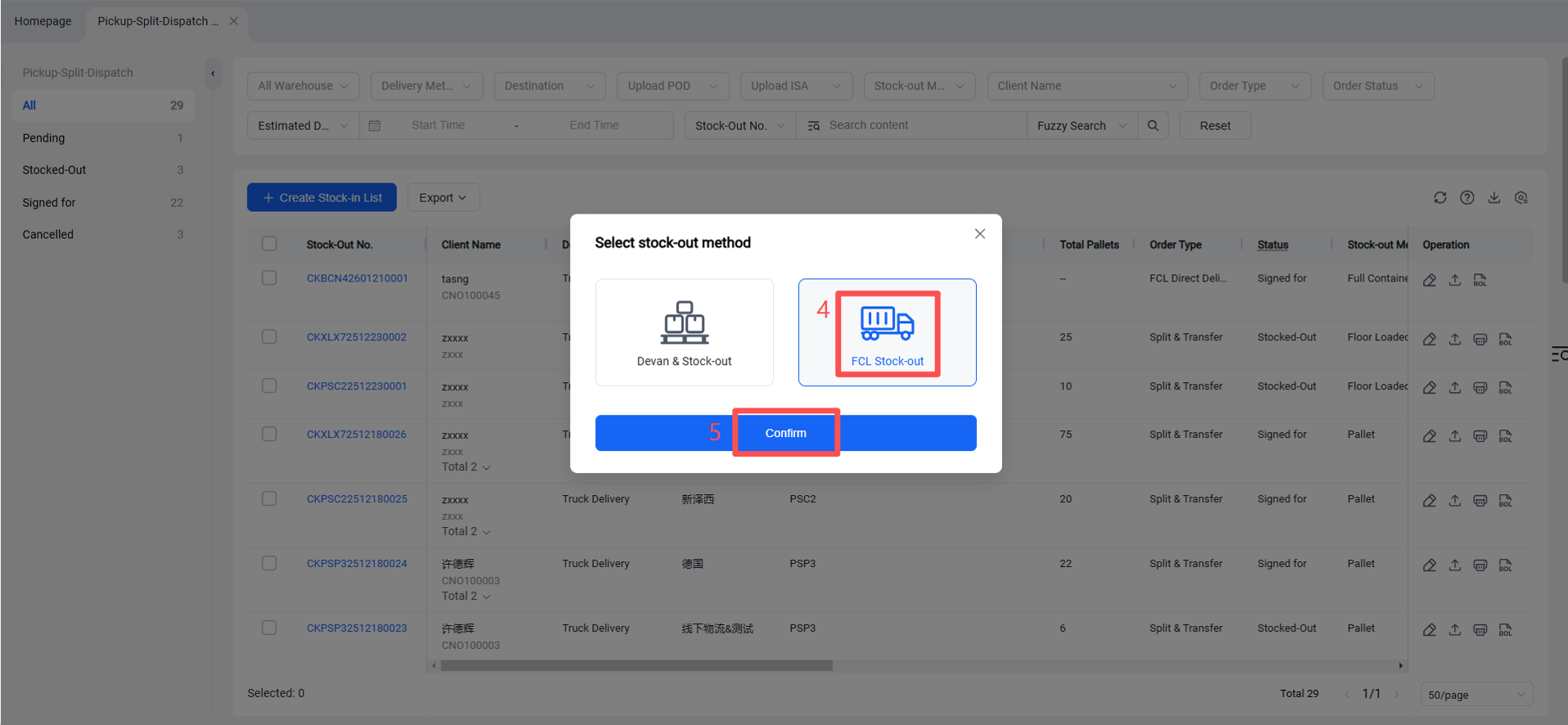
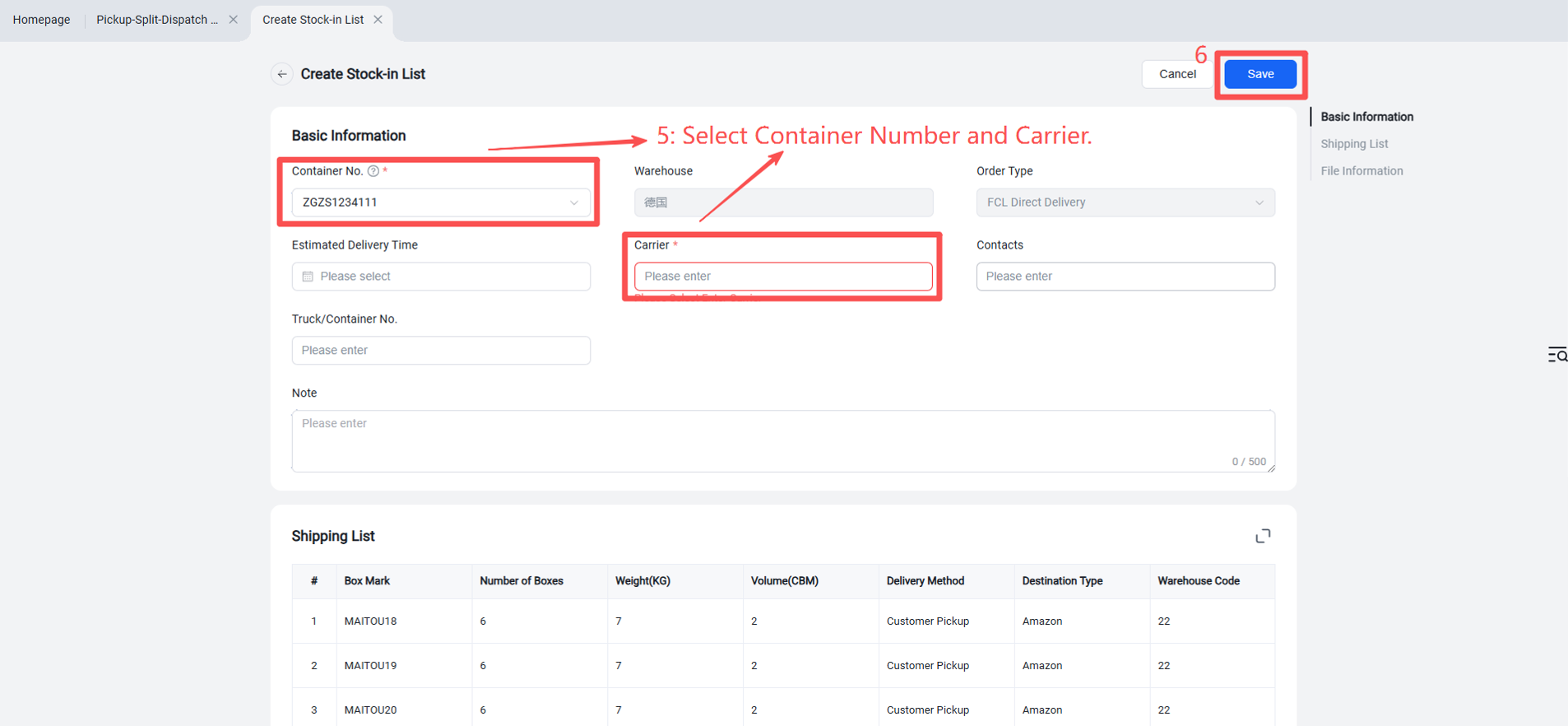
After saving, the order enters Pending Outbound status.
Another type is the Break-bulk Outbound order. Select "Break-bulk Outbound".
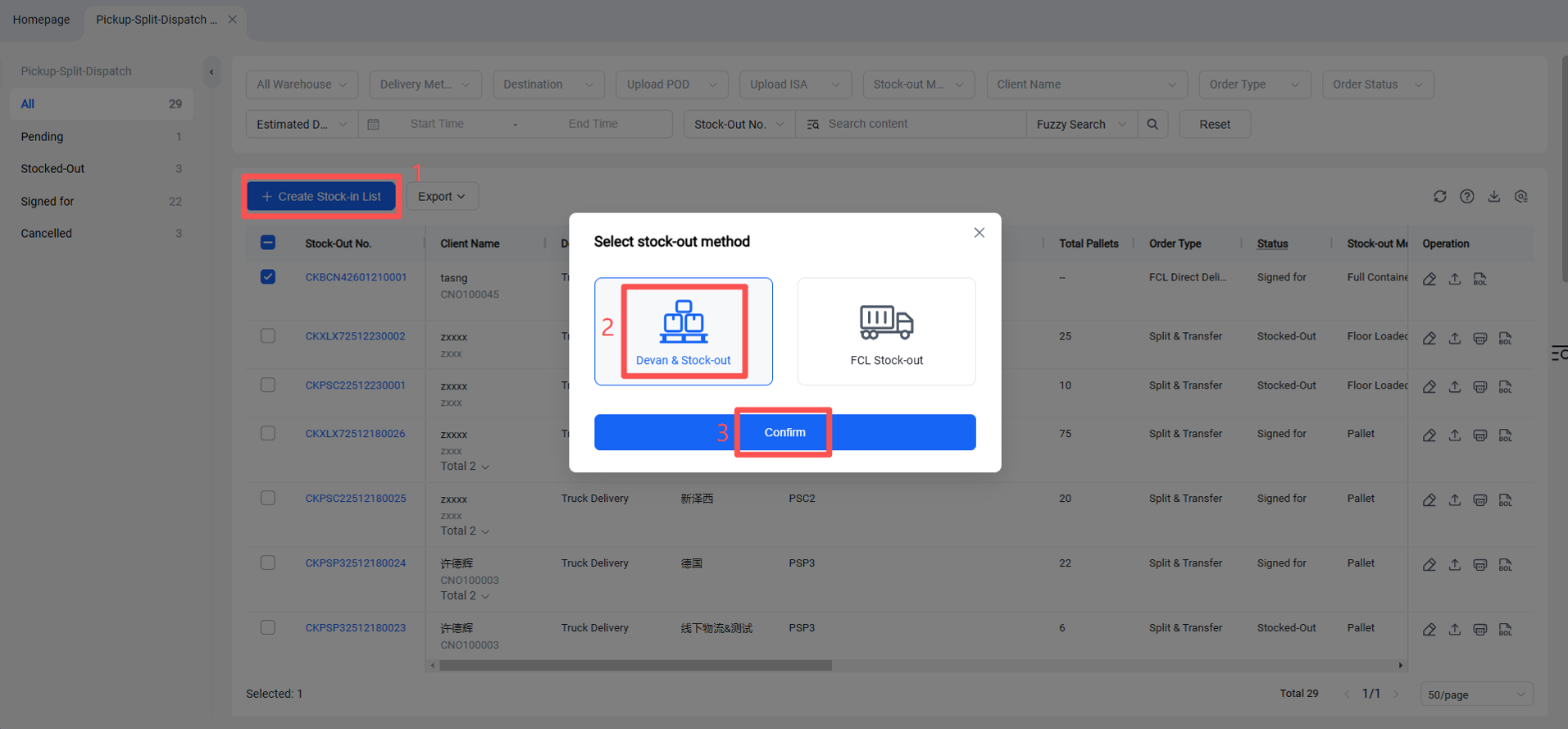
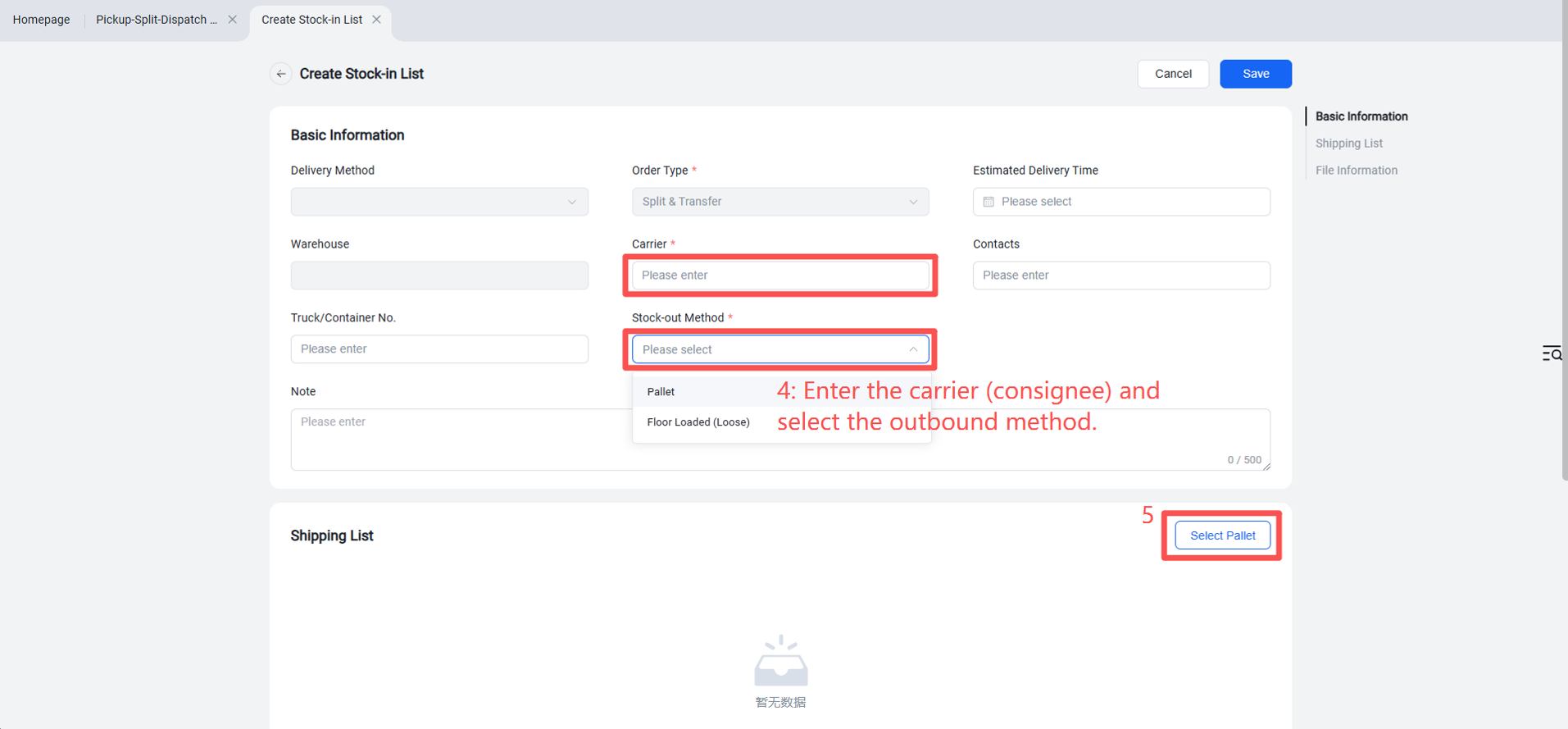
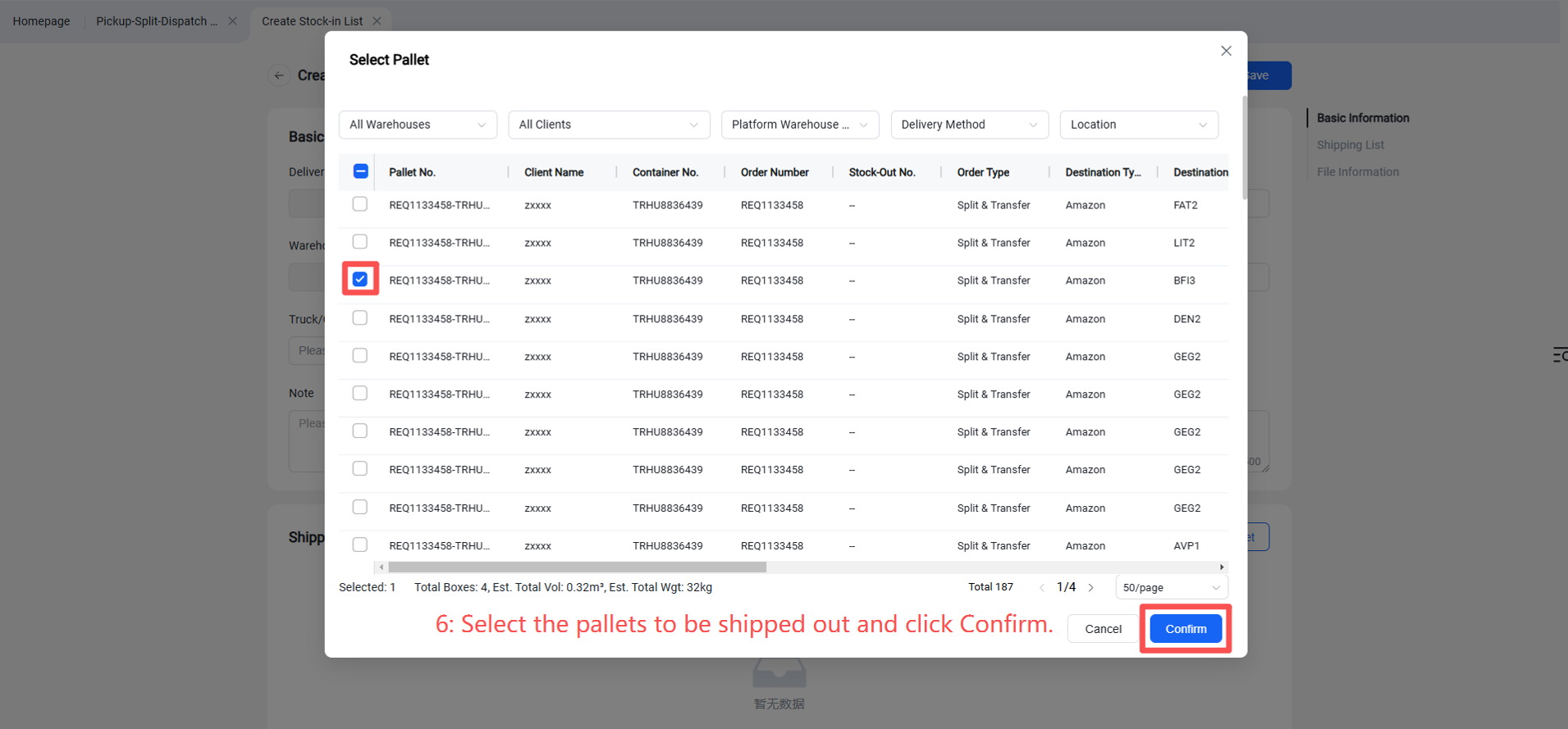
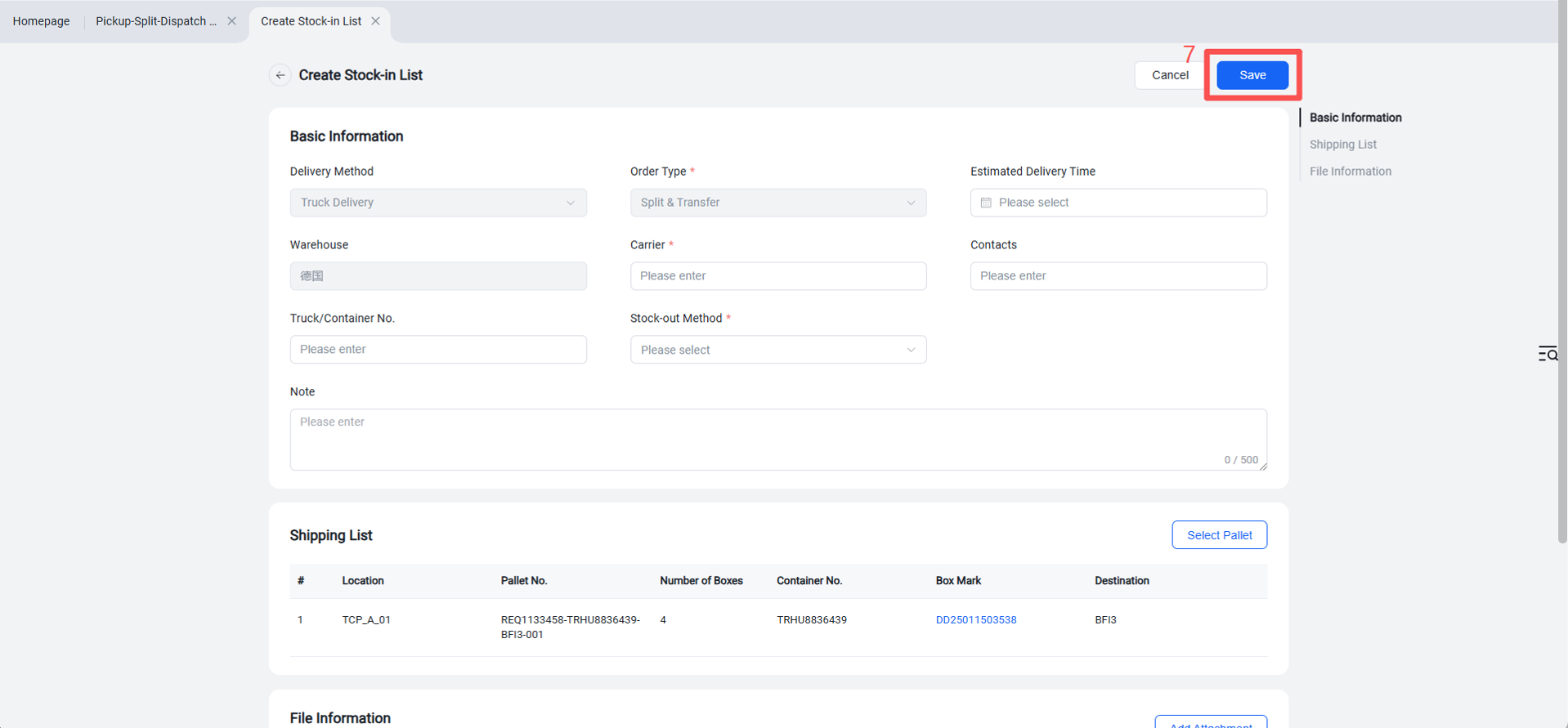
Step 2: PBD Outbound Order Management
First, for Full Container Outbound orders, while in the Pending Outbound status, either print the outbound order or click "Outbound" to complete the full container shipment, moving the order to the Shipped status.
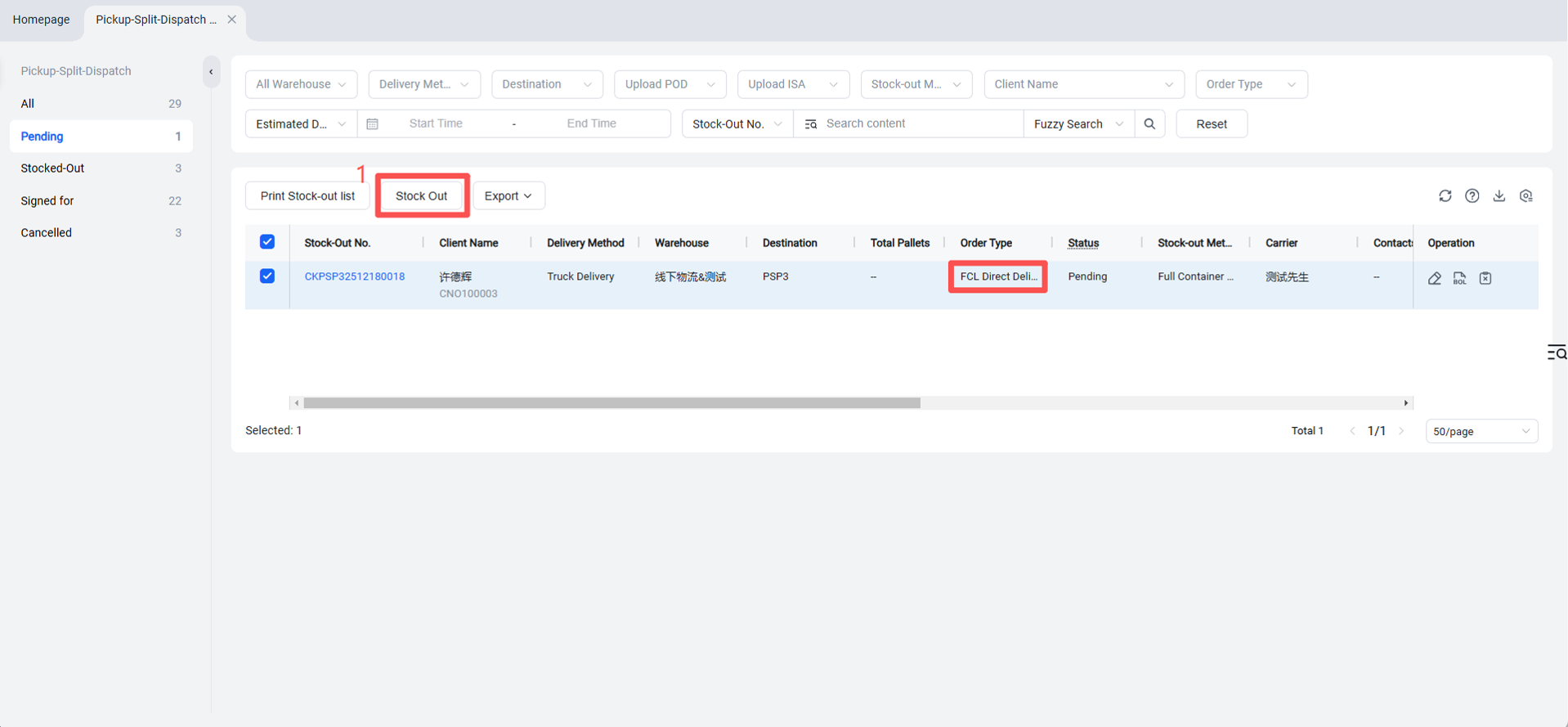
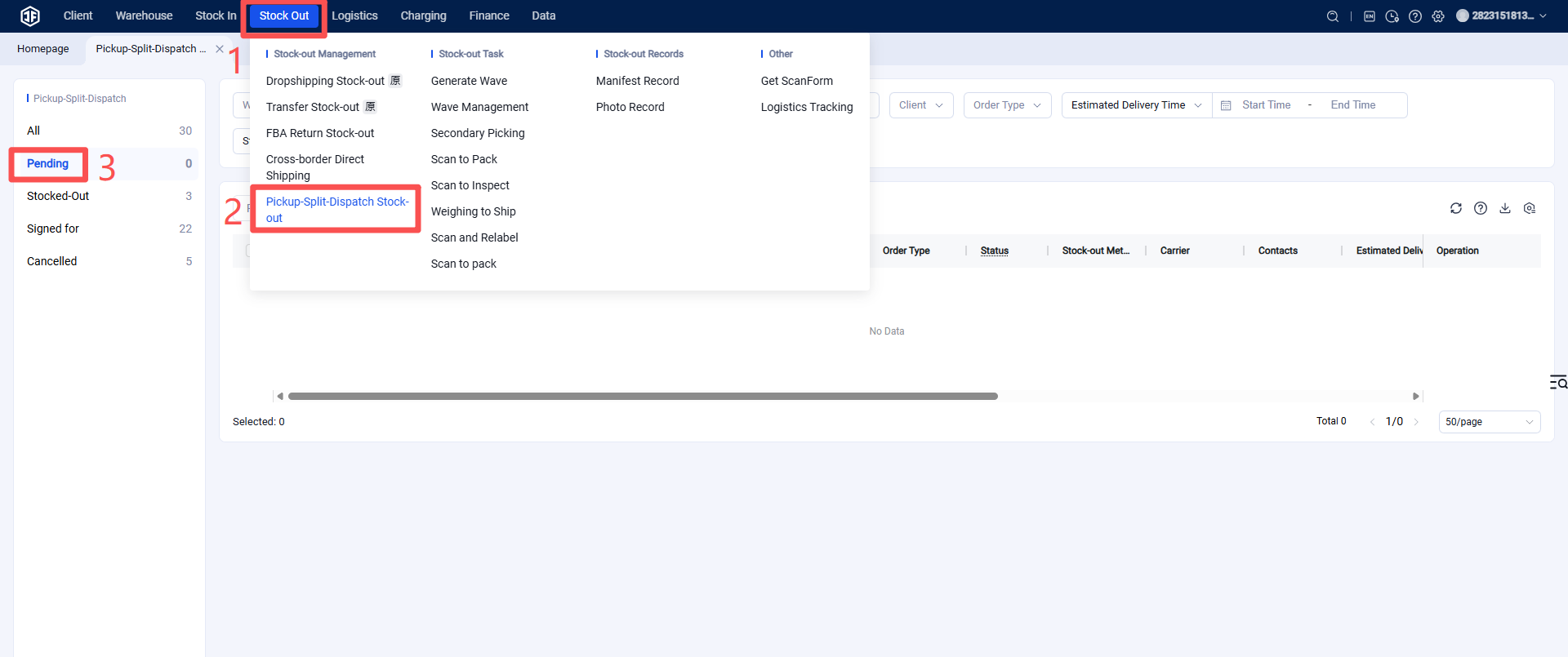
Next is the management of Break-bulk Outbound orders. The following operations primarily focus on these.
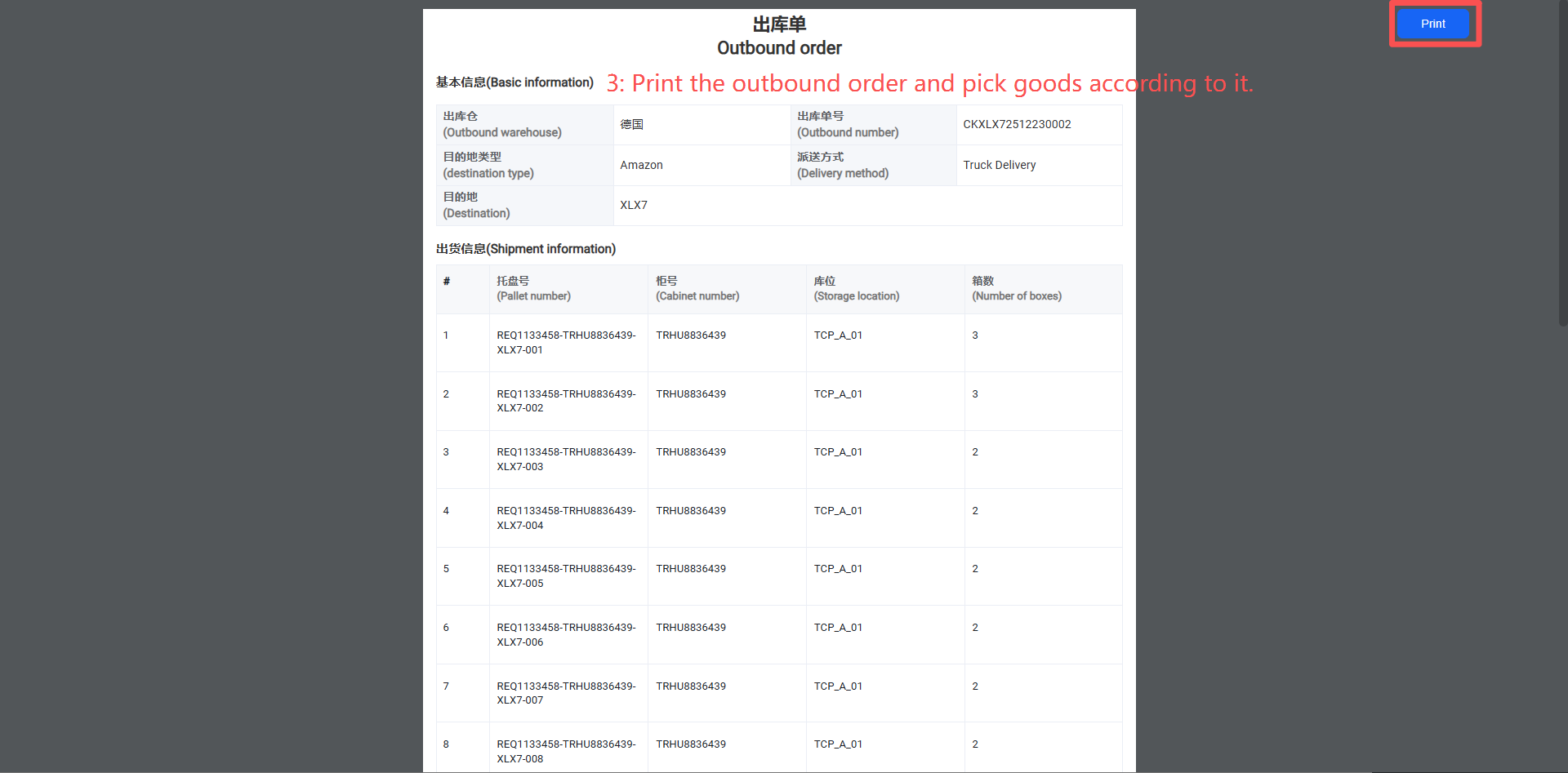
First, print the outbound order and proceed with picking.
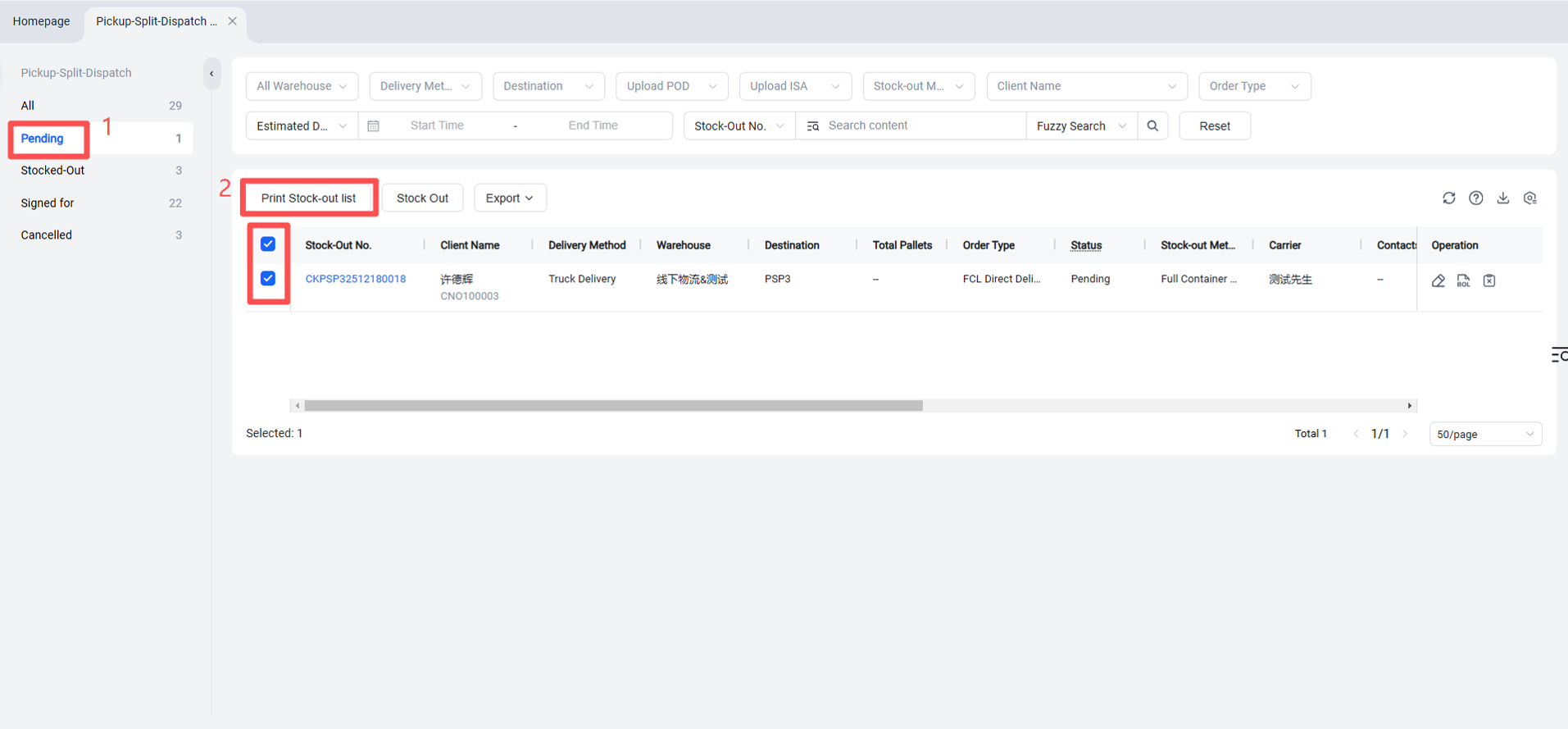
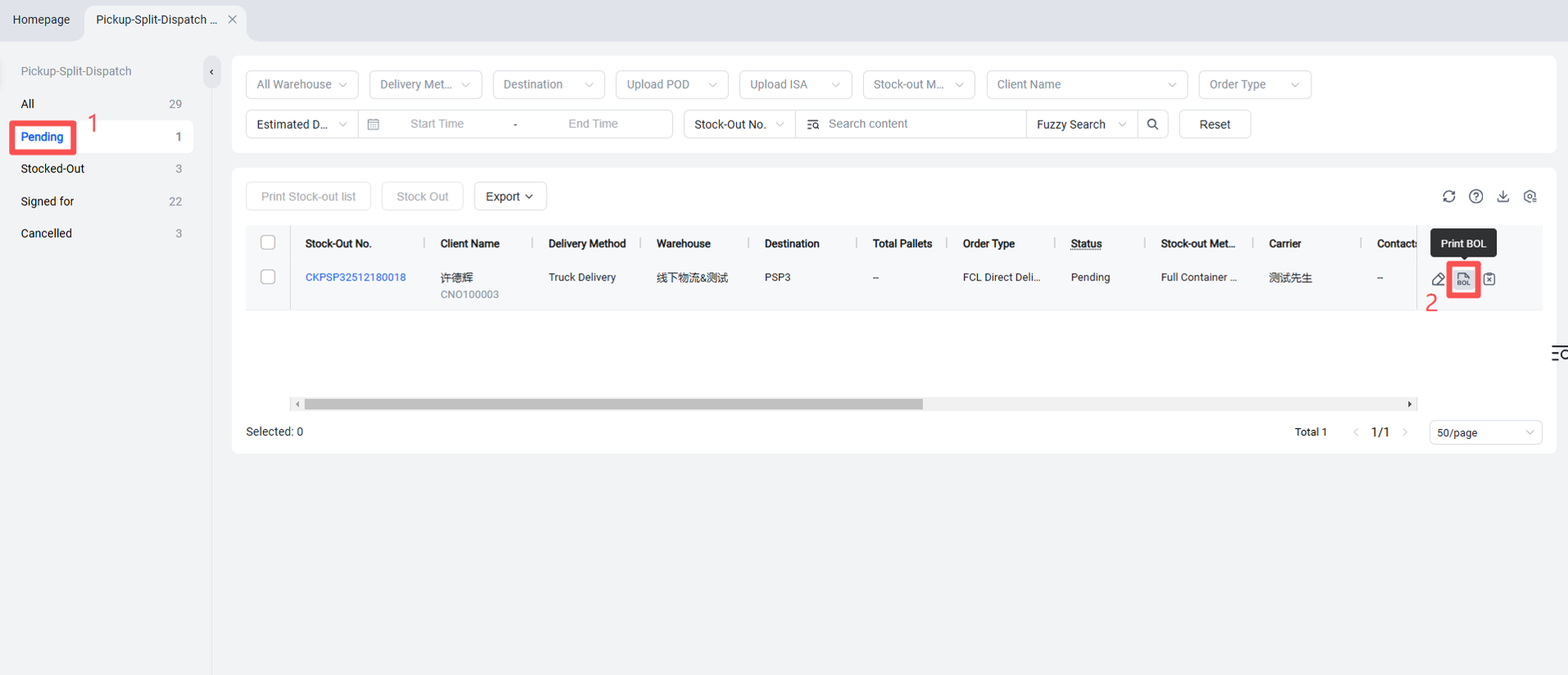
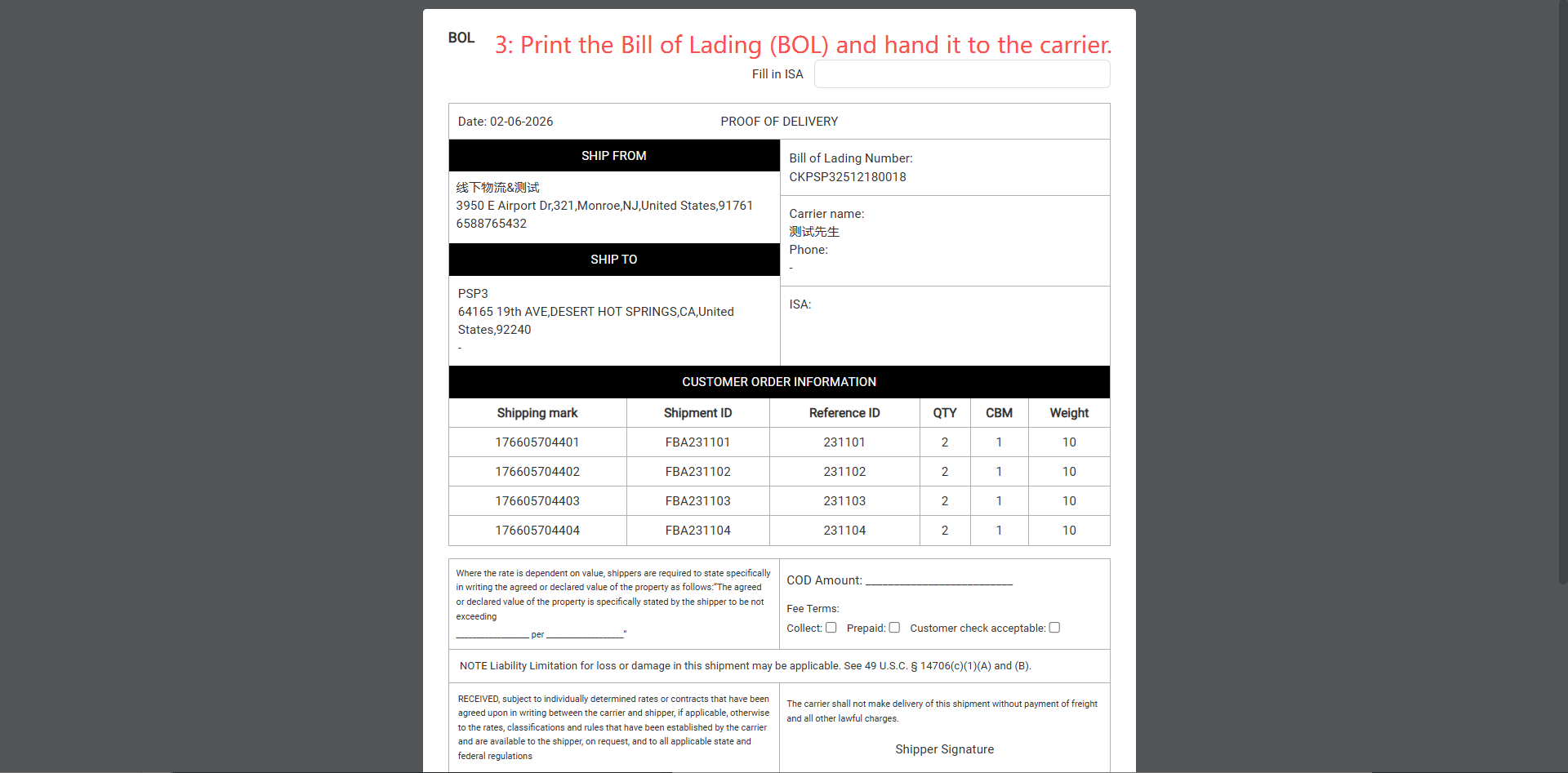
Next, the warehouse prints the BOL (Bill of Lading), which serves as the pickup document for the carrier's driver.
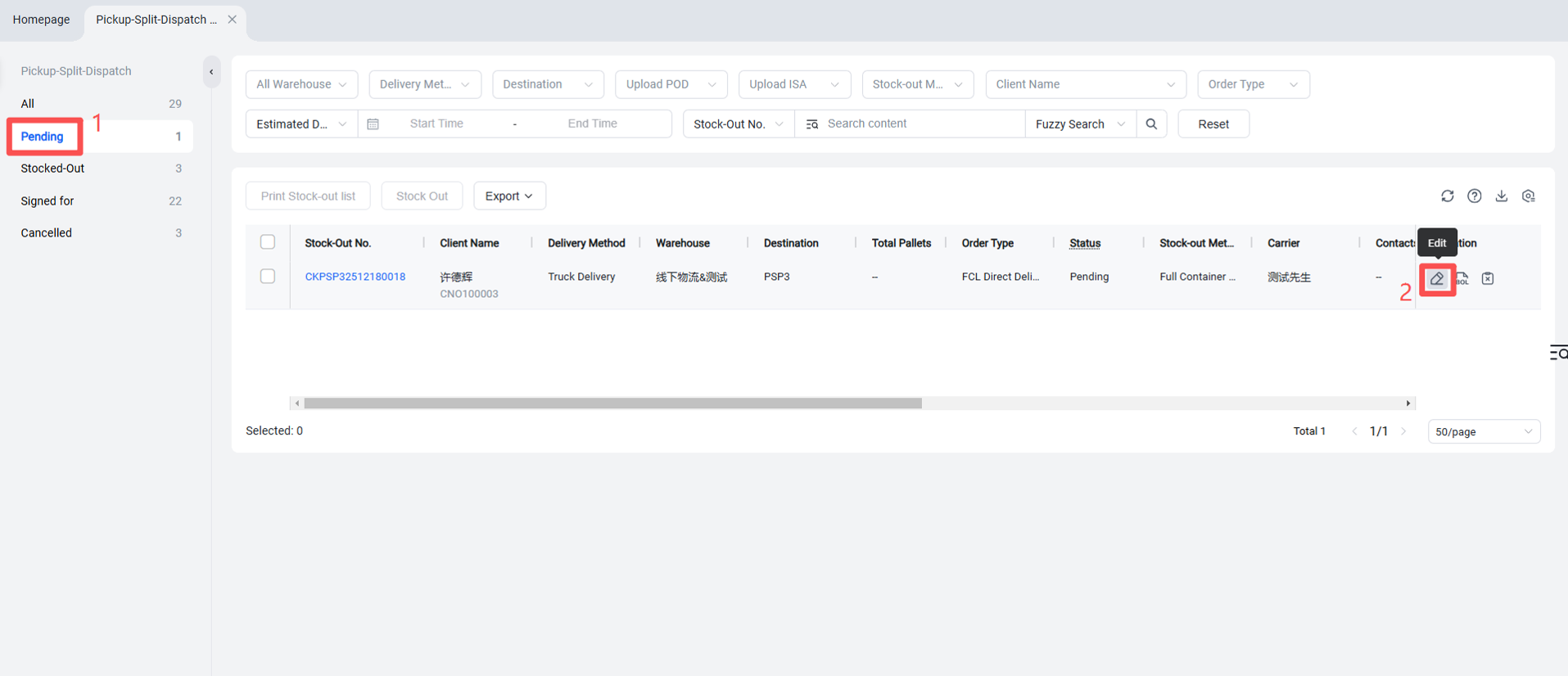
Then, the warehouse edits and uploads the POD (Proof of Delivery) and ISA (Intermodal Shipment Advice).
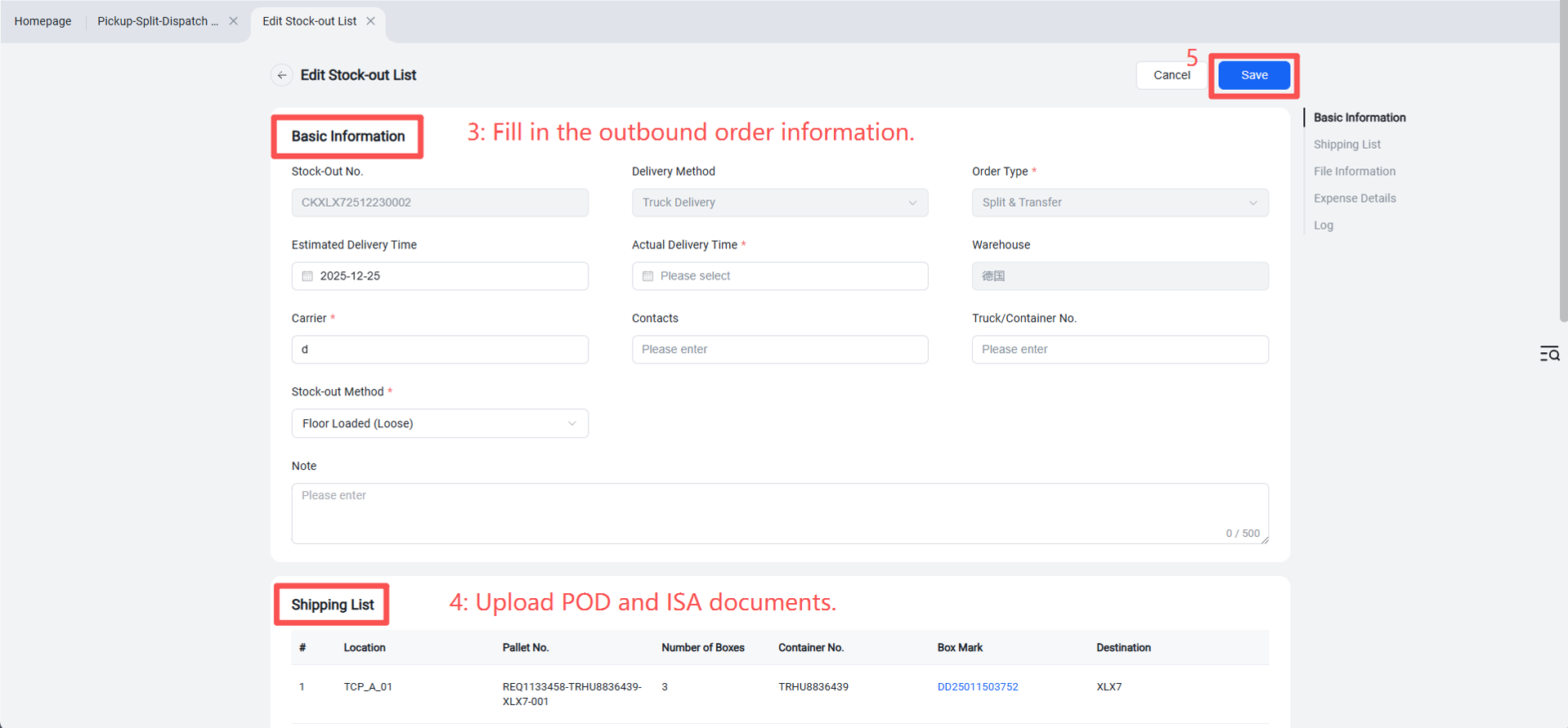
After clicking "Save," the PBD outbound order status changes to Shipped.
Finally, upon delivery confirmation at the destination, the PBD order status becomes Delivered.
Key Term Definitions:
POD (Proof of Delivery): Abbreviation for "Proof of Delivery," it serves as evidence that the goods have been successfully delivered to and signed for by the designated recipient (in this context, an Amazon warehouse). The POD is one of the most crucial documents for sellers to confirm their goods have safely arrived at the Amazon warehouse. In cases of missing inventory, quantity discrepancies, etc., sellers can use the POD (or the tracking number it contains) to verify and file claims with Amazon or their logistics provider.
How to Obtain POD: Sellers typically receive an email notification containing the POD information about a week after the warehouse signs for the goods. Sometimes, physical signatures or stamps may no longer appear on PODs to minimize contact.
ISA (Inbound Shipment Appointment): Abbreviation for "Inbound Shipment Appointment," it is a critical reference number in Amazon's logistics system used to schedule a specific time slot for goods to enter a particular Amazon warehouse.
Prerequisite for Delivery: The carrier (logistics company) must use the ISA number to schedule a delivery appointment with Amazon before arriving. The warehouse will only accept goods with a valid ISA number.
Relationship with POD: The ISA and POD are complementary. The ISA ensures the shipment can be scheduled for receipt, while the POD proves it has been signed for. In some processes, the ISA may serve as an alternative to a traditional POD.